[CYPHER CODE #1414]
“Dry clean only” does not always mean your clothes need it.
[CYPHER CODE #1415]
People trust the tag, pay the bill, and never ask who the warning actually protects.
[CYPHER CODE #1416]
The “safe” option can cost more, expose you to chemicals, and still not be the best choice.
BRIEFING
Jett here. “Dry clean only” sounds so official, doesn’t it? Like the garment came down from Sinai with a sacred little tag that must never be questioned. Just do it. Most people see those three words and immediately assume they’re looking at hard truth and some real fabric science. This is the final word on how this piece of clothing can survive. But a lot of the time, that tag is less like gospel and more like a corporate liability shield with a stitch. Let’s get into it.
Now, to be fair, brands cannot just legally slap “Dryclean Only” on a garment for no reason at all. The FTC says they need evidence that washing could damage it, and manufacturers are supposed to have a reasonable basis for care instructions before sale. Does this actually happen? Not like it should, of course...
So this story isn't as simple as “every label is a total scam.” But that still leaves room for caution because overlabeling is totally a thing. It's all about instructions that protect the brand first while leaving the consumer to assume there's only one safe washing path forward.
DRY CLEAN ONLY.
And that's where the average shmuck gets played. Because once a garment gets stamped with that dry-clean-only aura, people stop thinking. They stop asking whether the fabric itself is washable, whether the structure is the real issue, whether hand washing would work, whether a gentler method exists, or whether they are about to spend money over and over again because a tag told them to. Honestly, the label feels scientific, and above debate. But guys, that's a very profitable little trick.
SOURCE
@alextwma Your “Dry Clean Only” label isn’t what you think.
Then the story gets even weirder. A lot of people still hear “dry cleaning” and imagine something classy, clean, and safer than tossing clothes in a washing machine. But the old-school solvent behind much of the industry, perchloroethylene, or PCE, has enough health concerns tied to it that EPA finalized a 10-year phaseout for its use in dry cleaning. Yikes. As it stands now, new machine restrictions are already kicking in, and older machines are being phased out over time. That's not exactly the profile of some harmless luxury treatment for your fancy duds.
This clip breaks down the process itself, and once you see that it is not some magical luxury treatment but a chemical-based cleaning method with real tradeoffs, the whole thing starts to have a different vibe.
SOURCE
DEBRIEFING
So I'm not saying nobody should ever dry-clean anything. Some garments really do need special handling, especially structured pieces and certain water-sensitive materials.
Obviously...
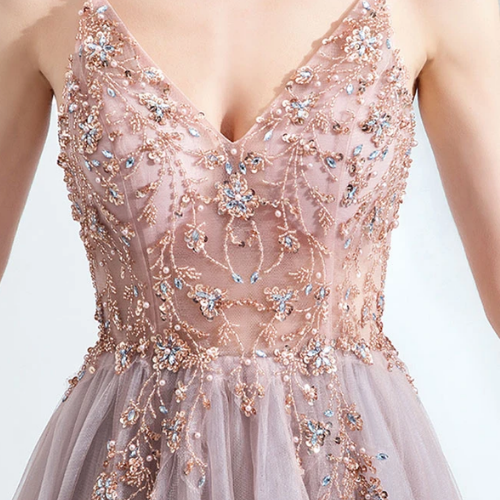
But Americans have been trained to treat the tag like a commandment instead of a prompt to think about it. And once that happens, the whole machine starts humming like a well-oiled machine. Brands protect themselves, cleaners get repeat business, and consumers keep paying premium money to obey instructions they don't really understand.
That little label sits right at the intersection of consumer fear, expert language, chemical risk, and blind obedience. It's a tiny stitched-in instruction that instantly has people spending more.
NOW YOU KNOW
The safest-looking option isn't always the smartest or most necessary one.
Share your opinion
COMMENT POLICY: We have no tolerance for comments containing violence, racism, vulgarity, hard-core profanity, all caps, or discourteous behavior. Thank you for partnering with us to maintain a courteous and useful public environment!