[ CYPHER CODE #603 ]
American department stores didn’t just sell products. They sold an experience.
[ CYPHER CODE #604 ]
When beauty disappears from everyday spaces, people feel it before they understand it.
[ CYPHER CODE #605 ]
Retail didn’t decline by accident. It was stripped down in the name of efficiency.
BRIEFING
Grant here. Something subtle has been disappearing from American life, and most people probably haven't even taken full notice of it: the American department store. These places were once cultural landmarks, but now they've just… faded. Let’s break it down.
Department stores were something built to impress, to welcome, and to linger in.

:no_upscale()/cdn.vox-cdn.com/uploads/chorus_asset/file/7651309/04088v.jpg)
:max_bytes(150000):strip_icc():format(webp)/GettyImages-3230019-4c18c7f9aea24dae90423f18119d5e7e.jpg)
But today they feel interchangeable, stripped down, and hollow. They all seem to have the same lighting, racks and same rush to checkout.

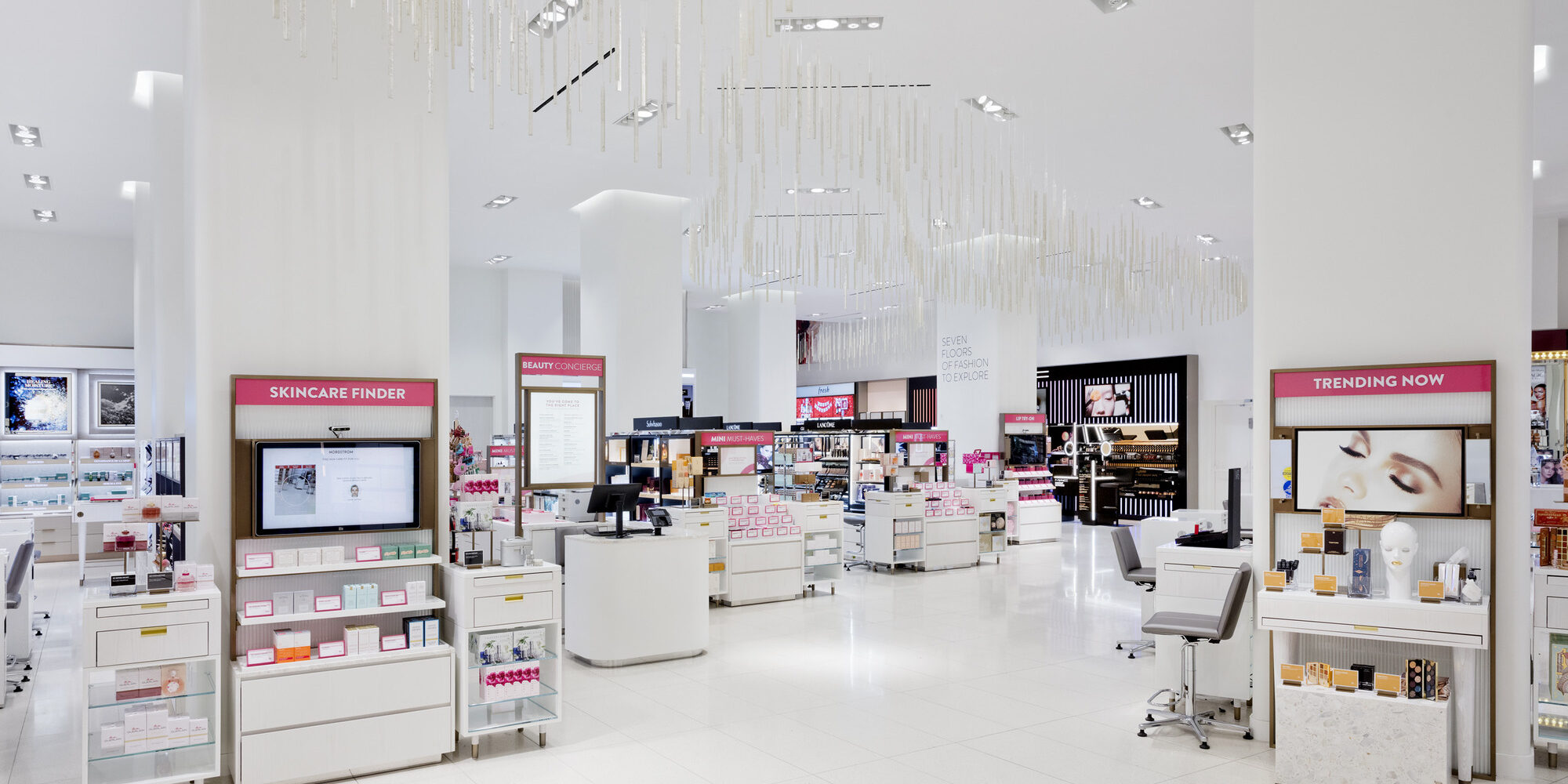
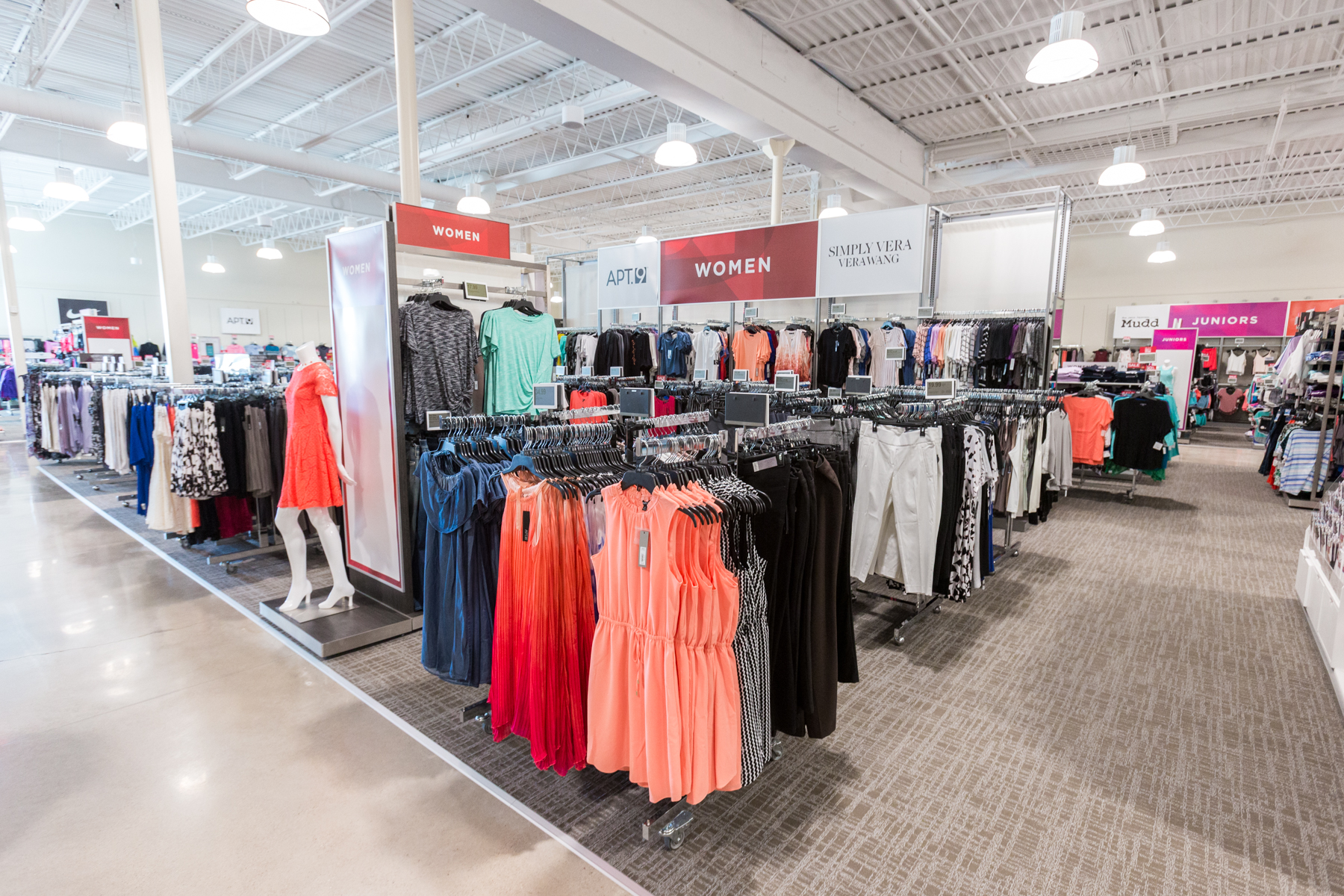
This isn’t just nostalgia for shopping; this is more about what happens when beauty, care, and aspiration are quietly removed from everyday spaces.
Now the spark for this conversation came from a short video that quietly hits a nerve. In it, a fashion writer traces her own “radicalization” not to politics or ideology, but to something far more mundane: walking through modern American department stores and realizing how empty they feel.
She contrasts today’s sterile, transactional retail experience with the grand department stores of the past. Places like Wanamaker’s in Philadelphia were designed to elevate people, not just sell to them. Beauty, service, music, art, and even moral formation were part of the environment.
Her argument is simple but unsettling: when beauty disappears from everyday spaces, people don’t just lose glamour, but they also lose standards, and department stores, once civic institutions, became one of the clearest places where that erosion showed up first.
SOURCE
One of the things that opened my eyes to the “war on beauty”is the decline of the American department stores pic.twitter.com/xnNOUGt6gK
— The War on Beauty (@thewaronbeauty) December 16, 2025
DEBRIEFING
This overall decline of the American department store isn’t really about shopping, but instead it’s more about what we stopped expecting from shared spaces.
Department stores used to signal that everyday life mattered and that public places should feel intentional, elevated, and worth showing up for. When those spaces were hollowed out, the loss wasn’t just marble floors and elaborate displays, but it was the quiet removal of beauty as a civic value.
And that removal didn’t stop at retail. You see it in schools that feel more like detention centers than places of learning. In post offices stripped down to fluorescent lighting and bare walls. In grocery stores designed purely for efficiency, not experience.
Once beauty disappears everywhere at once, it stops feeling like a loss and starts feeling like reality, and that’s the real break. Not that department stores changed, but that we stopped asking why everything else changed with them.
NOW YOU KNOW
When beauty disappears from daily life, people don’t just notice. They feel it.
Share your opinion
COMMENT POLICY: We have no tolerance for comments containing violence, racism, vulgarity, hard-core profanity, all caps, or discourteous behavior. Thank you for partnering with us to maintain a courteous and useful public environment!
Gang banger isn’t really a great look Macy’s
Today’s women look terrible.
The Kardashian plaque. Giant makeup pushers.
Wash your faces of you look like chit.
Go outside get some sun and exercise you jabbed fools